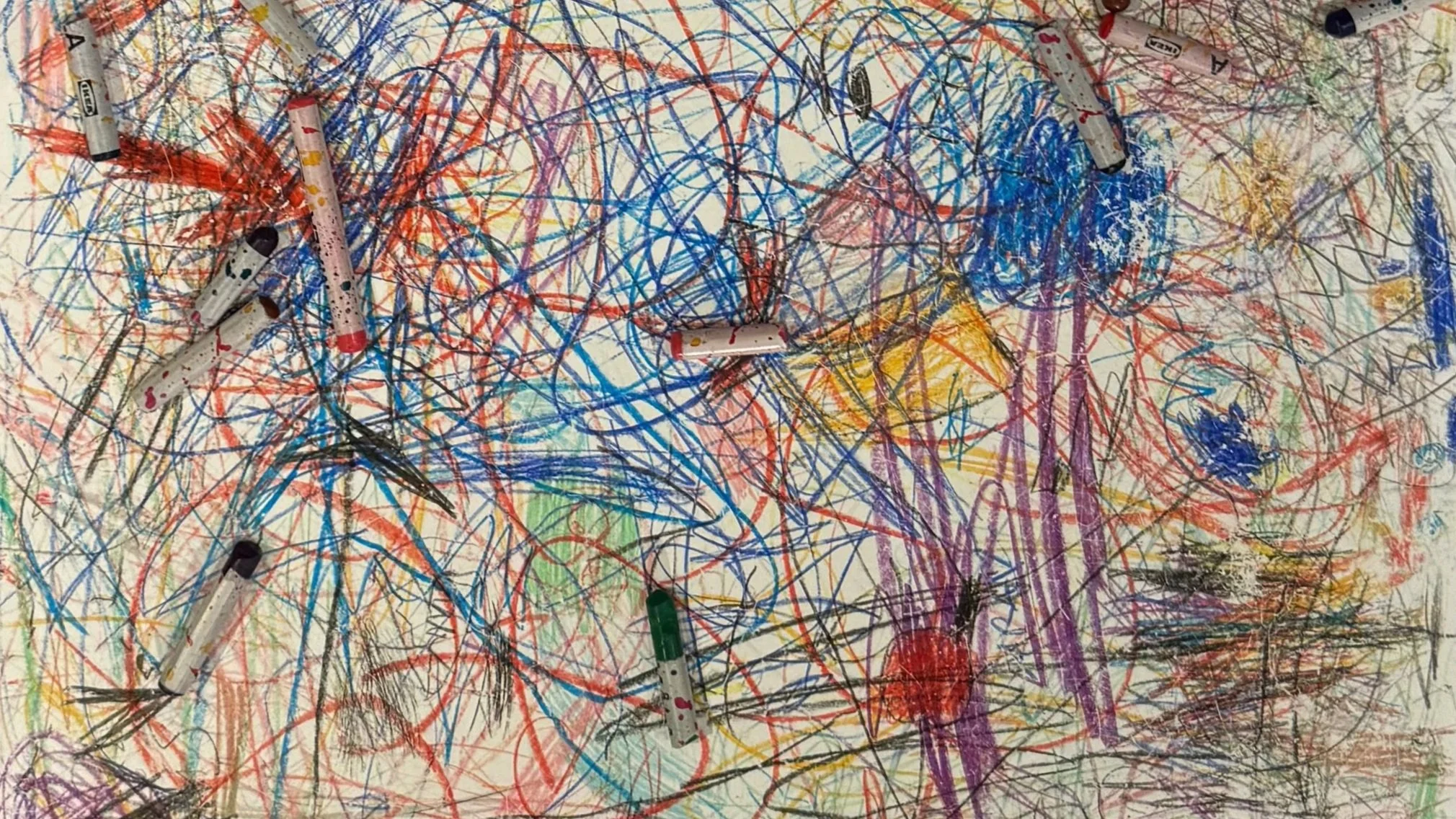
Dysgraphia
Dysgraphia FAQs
-
A neurological condition that can affect an estimated 5-20% (up to 30%) of the population
Defined as an impairment in age-appropriate written letter and number formation
It can include difficulty with written expression (translating ideas into text) for some
Classified as a specific learning disorder under DSM-V
Can affect speed and automatic ability to physically write, copy, draw, organize, and translate thoughts into written words (different mechanics from written expression disorder)
Does not affect intelligence
Mentally effortful
Diagnosed in children and all ages (developmental and acquired)
Severity varies and differs for each individual.
It is often under-diagnosed (missed) or misdiagnosed (attributed to another condition), and can lead to confusion and mislabeling of an individual as “unmotivated”,” messy”, “unorganized”, or “lazy”.
-
Graphomotor skills can be tied up – leading to difficulty with controlling and using writing tools
Possible orthographic coding impairment – meaning issues with storing, recognizing, remembering and recalling sequence order, patterns of letters, symbols and words
Possible dysfunction in phoneme-to-grapheme translation - impacting sound to symbol/text
Possible dysfunction in lexicon-to-grapheme translation - impairment with mental (visual) spelling to written word
Fine motor (muscles), working memory, and executive functioning skills (planning and focus) can often be impacted
-
Dyspraxia can result in the difficulty or inability to:
Physically write and draw
Form letters, numbers, shapes, and symbols completely
Automatically recall letters, numbers, shapes, symbols and word patterns
Re-visualize letters, numbers, shapes, and symbols,
Retrieve the sequence of steps to form the letters, shapes and symbols correctly (order, orientation)
Remember the motor patterns of letter forms, numbers, shapes and symbols.
Write automatically and rapidly
Hold, position, and use writing and drawing tools properly
Make use of proper grammar rules
Spell (in written form)
Properly space letters and words
Sizing and scaling failures
Fluidly compose written text - affects overall composition and ability to communicate, fully, thoughts in writing
-
The examples below outline some of the developmental and real-world context and problems that can arise from living with this condition.
Dysgraphia can create impairment or challenges with:
writing ● printing ● typing ● drawing ● spelling ● writing rapidly ● writing legibly (readability) ● writing clearly (thoughts) ● forming letters ● numbers ● shapes ● symbols ● using correct stroke sequences ● copying text ● transcribing words (sound to text) ● transposing letters and words (swapping positions) ● incorrect word order ● skipping letters when writing or copying ● omitting words in sentences ● spacing issues ● squeezing letters too close together ● crowding words and sentences ● mirror writing (writing from right to left) ● letter reversals (b, d, p, q) ● inversions (m, w) ● inconsistent writing ● disproportionate sizing (text too large, text too small) ● mixed letter sizes ● mixed use of upper and lower cases ● mixed use of cursive and print ● inconsistent punctuation and grammar rules ● alignment issues ● lopsided letters ● distorted shapes ● uneven lines ● difficulty crossing letters (‘Ts’, ‘Es, ‘Fs’,‘Hs’ and ‘Xs’) ● forgetting to cross letters ● general alignment issues on a page ● writing straight (without lines) ● staying in the margins ● writing coordination (brain to motor to text/paper) ● ability to hold writing tools ● finger positioning on a pencil ● arm posture to hold a pen ● no automatic writing ● discrepancy between spelling and speaking ability - high verbal intelligence (some) ● impaired spontaneous writing ● effortful writing ● no fluid writing ● impaired writing flow and composition ● inability to express oneself in written form ● impacted memory and retrieval systems ● low classroom productivity ● incomplete school work ● writing problems dismissed (by educators and professionals) ● students overlooked (at school, at home) ● students underserved (no help) ● unfairly mislabeled (messy, unmotivated)
Early intervention, along with explicit and systematic instruction implemented for writing, spelling, and composition - with specialized OT help - will go a long way to manage and ease the struggles with dysgraphia.
-
Dysgraphia can often be a catch-all diagnosis for writing problems.
Distinct from Dyslexia. The two often co-occur
Distinct from DCD | Developmental Coordination Disorder, though the two can co-occur
Has high co-morbiditys with many other neurodivergent conditions – Autism and ADHD, written expression disorder, and expressive language disorder for example.
Can be a standalone diagnosis (but not always recognized by all organizations) e.g. American Psychological Association or IDEA
Rooted in difficulty storing and automatically retrieving letters, numbers, shapes and symbols
There may be a genetic component
Showing one sign of dysgraphia is not an indicator that you have dysgraphia
Some people can speak more easily and fluently than they write
Oral spelling can be preserved, despite struggle with written spelling
Progression of complexity of work increases will make dysgraphia more detectable, discernable.
Early intervention helps
Management strategies needed
Specialized instructions and OT assistance are great resources
No medication to treat
DCD | Dyspraxia and Dysgraphia can go hand in hand
Do you struggle with co-ordination and manual dexterity? Have difficulty tying shoe laces? Cutting? Following instructions? Multi-tasking? Remembering long lists of things? You’re not alone. There might be more to it.
Dysgraphia and Dyslexia can overlap

Writing might be difficult, but have you also struggled with reading? Sounding out words? Or rely on spelling phonetically? You’re not alone. There might be more to it.